Amazon Drops 122-Acre AI Data Center Plan After Local Pushback
The tech giant is converting a former university campus in Northern Virginia into homes and parks instead of servers.
By Rebecca Dawson ·
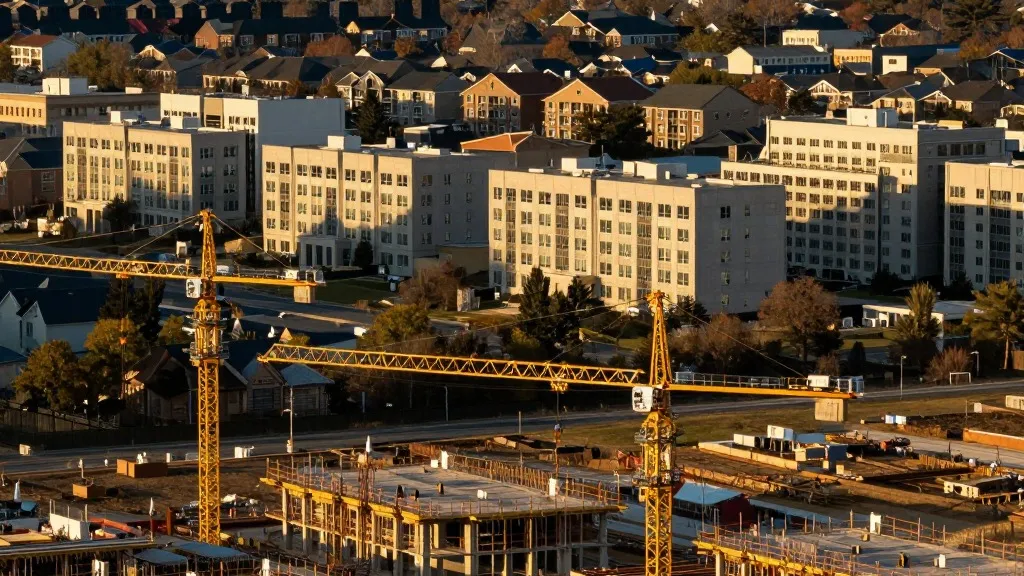
122 acres. That is the size of the land Amazon will no longer use to build four new data centers. The company has scrapped its plans to construct these facilities on the site of the former George Washington University campus in Loudoun County, just outside Washington, D.C. Instead, the majority of the space will be repurposed for mixed-use and residential development. This marks a significant shift in the company’s strategy for the region.
Amazon is not walking away empty-handed from the community. The company will donate 25 acres of the property to Loudoun County. These lands are slated to become a community arts center and a new recreational facility. Furthermore, Amazon will contribute $5 million to the county’s housing fund. This combination of land and cash is intended to address the specific concerns that drove the local opposition.
The change comes after substantial pushback from residents. Loudoun County is already known as "Data Center Alley" due to its high concentration of server farms. Locals have long expressed worry about the noise generated by these facilities and the massive power requirements they impose on the grid. Amazon first proposed the build in July. By September, the company met with Phyllis J. Randall, the chair of the Loudoun County Board of Supervisors. During these talks, the county suggested that an alternative use for the land might be more beneficial.
Josh Weissman, Amazon’s vice president for data center development, explained the decision. He stated that the company initially wanted the former university campus. However, they considered the county’s “pointed concerns about data center development at this particular site.” Weissman noted that while Amazon saw the legal development potential differently than the county, they concluded that a shared vision was better than costly litigation. The goal was to find a common ground for the campus’s future.
This decision occurs against a backdrop of rising demand for AI infrastructure. As cloud services and AI models expand, the need for larger data centers has intensified. This growth has sparked friction with local communities who face higher electricity prices and resource strain. Just days before this announcement, President Donald Trump urged data center builders to pay local communities a dividend. He also suggested these facilities should generate their own power and sell excess energy back to the grid.
County officials view this outcome as a success of diplomacy over conflict. Randall stated that by choosing dialogue, the county and Amazon created a new opportunity. She highlighted that the agreement provides spaces for residents to gather, create, and play. Most importantly, she emphasized that it will provide more attainable homes for working families. The project now focuses on housing and community amenities rather than server racks.
There are still questions about the broader implications. The shift raises issues regarding the power grid's capacity in Northern Virginia. Critics argue that the region is maxed out on energy use. They suggest that building new data centers without new power plants is mathematically difficult. This deal avoids a potential legal battle, but it leaves the question of how the region will meet its growing energy needs unresolved.
Source: Tom's Hardware